

Traditional education methods strive for a standard approach to teaching and learning. But many people struggle with this one-size-fits-all method because we all have different learning paces, interests, and styles. Thankfully, there’s a different approach — personalized learning. This method has proven to be more effective for many students. Below, we’ll define personalized learning and discuss how it’s different from traditional methods.
Personalized learning definition
Personalized learning is an education method that customizes the learning experience to meet every individual student’s unique needs, interests, and preferences. Unlike traditional teaching methods, personalized education adapts the curriculum, instruction pace, and learning environment to each student’s specific strengths, weaknesses, and goals.
What's different about personalized learning?
In a traditional classroom setting, the curriculum, instruction pace, and teaching methods are usually standardized with a one-size-fits-all approach. However, personalized learning challenges this conventional model by understanding that every student has their own strengths, weaknesses, learning styles, and personal circumstances. Here are some ways personalized education methods have challenged traditional teaching.
Needs of the student
In a personalized learning environment, teachers carefully consider and address each student’s needs. Examples of personalized learning could include accommodating different learning styles, providing additional support for students with disabilities or special needs, or offering advanced coursework for gifted students. The goal is to ensure that every learner receives the right level of challenge and support to help them reach their full potential.
Student interests
Personalized learning also considers each student’s interests. By letting learners explore topics that excite them, the learning process becomes more engaging, meaningful, and effective. Students are more likely to be invested in their education when they can study subjects they enjoy.
Teaching pace
Traditional classrooms can struggle to help students who learn at different paces. Some students may understand things quickly and get bored while waiting for their peers to catch up, while others may need more time and repetition to fully understand the material. Personalized education addresses these issues by letting students progress through the material at a pace that suits their specific learning needs.
Students are involved in choosing the curriculum
In a personalized learning environment, students can have more say in their learning experiences. They can choose from various learning activities, projects, or coursework that align with their interests and goals. This sense of autonomy can create a deeper feeling of engagement, motivation, and responsibility for their own learning.
Technology utilized
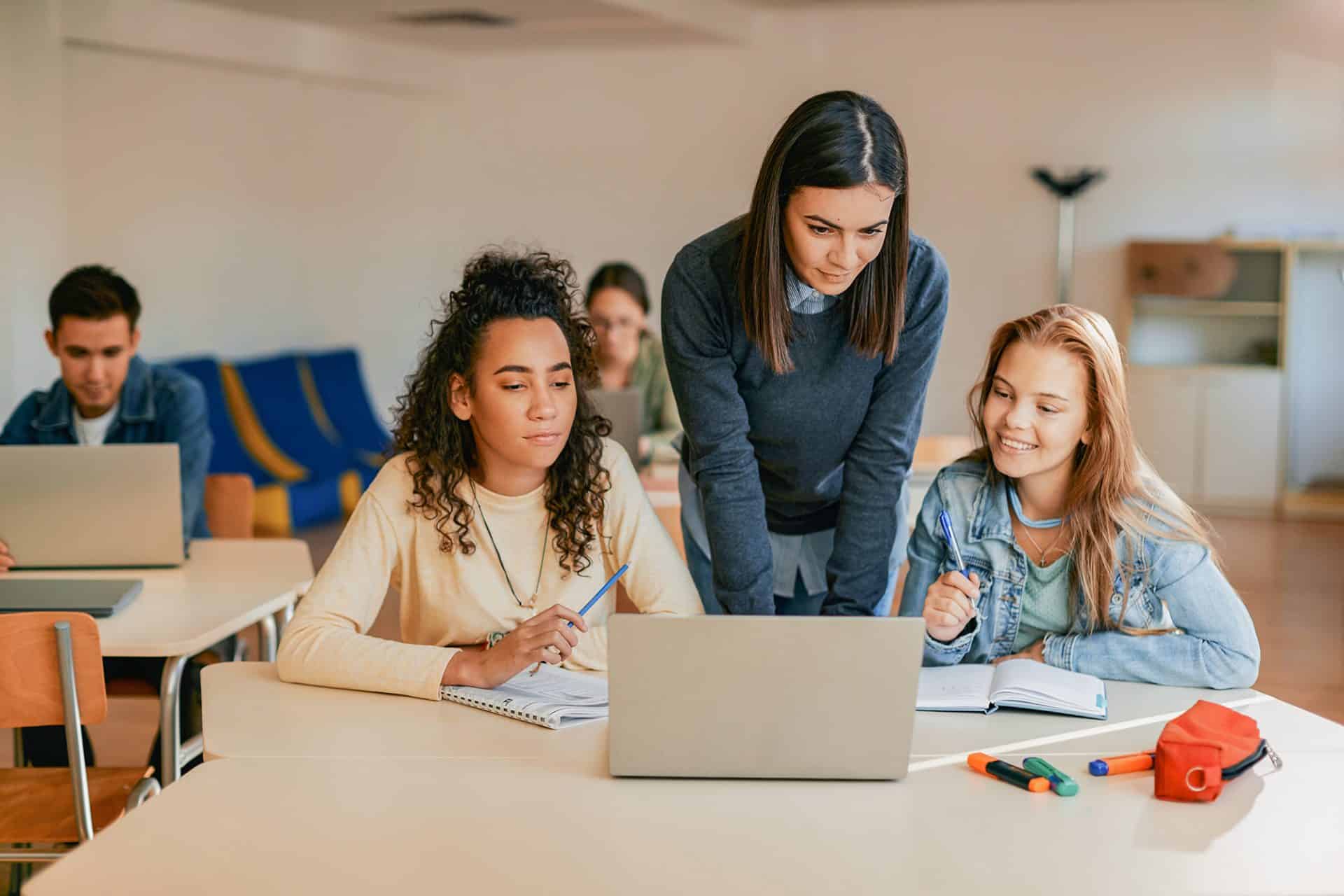
Technology plays a significant role in personalized education. Personalized learning software and digital platforms can give students adaptive learning experiences, real-time feedback, and customized resources tailored to their needs. Online learning management systems and collaborative tools can also enable personalized instruction, track student progress, and support communication between students, parents, and teachers.
Why teach personalized learning?
Providing tailored learning material can lead to several benefits:
- Foster student engagement and motivation. Personalized education helps students stay motivated and engaged by customizing the learning experience to their interests, abilities, and goals. Students are more likely to be invested in learning when the material is relevant and adequately challenging.
- Promote academic growth. With instruction and resources adapted to their needs, students can move forward at their own pace and receive targeted support.
- Develop essential life skills. Personalized learning encourages students to take responsibility for their education and develop self-directed learning abilities, problem-solving skills, and a growth mindset.
- Address diverse learning needs. One-size-fits-all learning approaches can leave students behind or unchallenged. Personalized learning fixes these issues by accommodating different learning styles, abilities, and backgrounds.
- Nurture individual talents. Letting students explore their interests and strengths can help them develop their natural talents, leading to greater fulfillment.
- Prepare for future careers. Personalized education gives students the knowledge and skills they need to be successful in their future professions.
Origin of personalized learning
The concept of personalized education is a part of early American history. During the Revolutionary War era, Thomas Jefferson envisioned a public education system that would provide learning opportunities to all citizens, regardless of wealth, birth, or other circumstances. People like John Dewey and Maria Montessori further developed philosophies focused on a child-centric, experiential learning model adapted to every student’s needs.
Personalized learning gained popularity thanks to the rise of modern technology that made it easier to implement in the classroom. Online learning platforms, adaptive software, data analytics, and other digital tools now make it easy to provide personalized instruction and content for every student. The evolving skills needed for today’s workforce have also highlighted personalized learning’s role in developing essential abilities like critical thinking and self-directed learning.

How schools can adapt
Implementing personalized learning in schools requires a shift in mindset, resources, and infrastructure. Here are some ways schools can embrace this educational approach.
- Professional development. Provide comprehensive training and ongoing support for teachers to help them understand and implement personalized learning strategies in their classrooms.
- Invest in technology. Integrate personalized learning software, adaptive learning platforms, and other digital tools that enable customized teaching.
- Redesign learning spaces. Rethink traditional classroom layouts and create flexible, student-centered learning environments that support collaborative work, independent study, and project-based learning.
- Build relationships. Work with parents, community organizations, and industry partners to provide diverse learning opportunities and real-world experiences for students.
- Empower students. Encourage students to be active in shaping their learning experiences by providing opportunities to set goals, self-reflect, and choose their coursework.
Discover your potential with YouScience Aptitude & Career Discovery
If you’re a parent or student wanting to unlock your full potential and explore personalized career paths, consider using YouScience® Aptitude & Career Discovery. This online platform combines aptitude assessments, personalized feedback, and career exploration tools to help you discover your natural strengths, interests, and career matches.
With YouScience®, you’ll gain valuable insights into your aptitudes, personality traits, and learning styles. This information can help you make better decisions about your education and career and pursue a path that aligns with your passions, abilities, and goals. Take the first step towards a rewarding future with YouScience Aptitude & Career Discovery.