
Fixing America’s broken talent pipeline: Bridging education and industry for workforce success


2024 WORKFORCE REPORT
Fixing America’s broken talent pipeline
Solving the current and future talent pipeline crisis by building earlier and modernized bridges between education and industry
DOWNLOAD
-
 Download the Full Report
Executive summary
The 2024 YouScience Workforce Report provides a comprehensive look at the growing challenges businesses face in talent acquisition and workforce development. By examining responses from 500 HR professionals and business leaders across key industries, the report underscores the need for early engagement and new strategies to bridge the disconnect between education and industry.
Skills gap and preparedness:
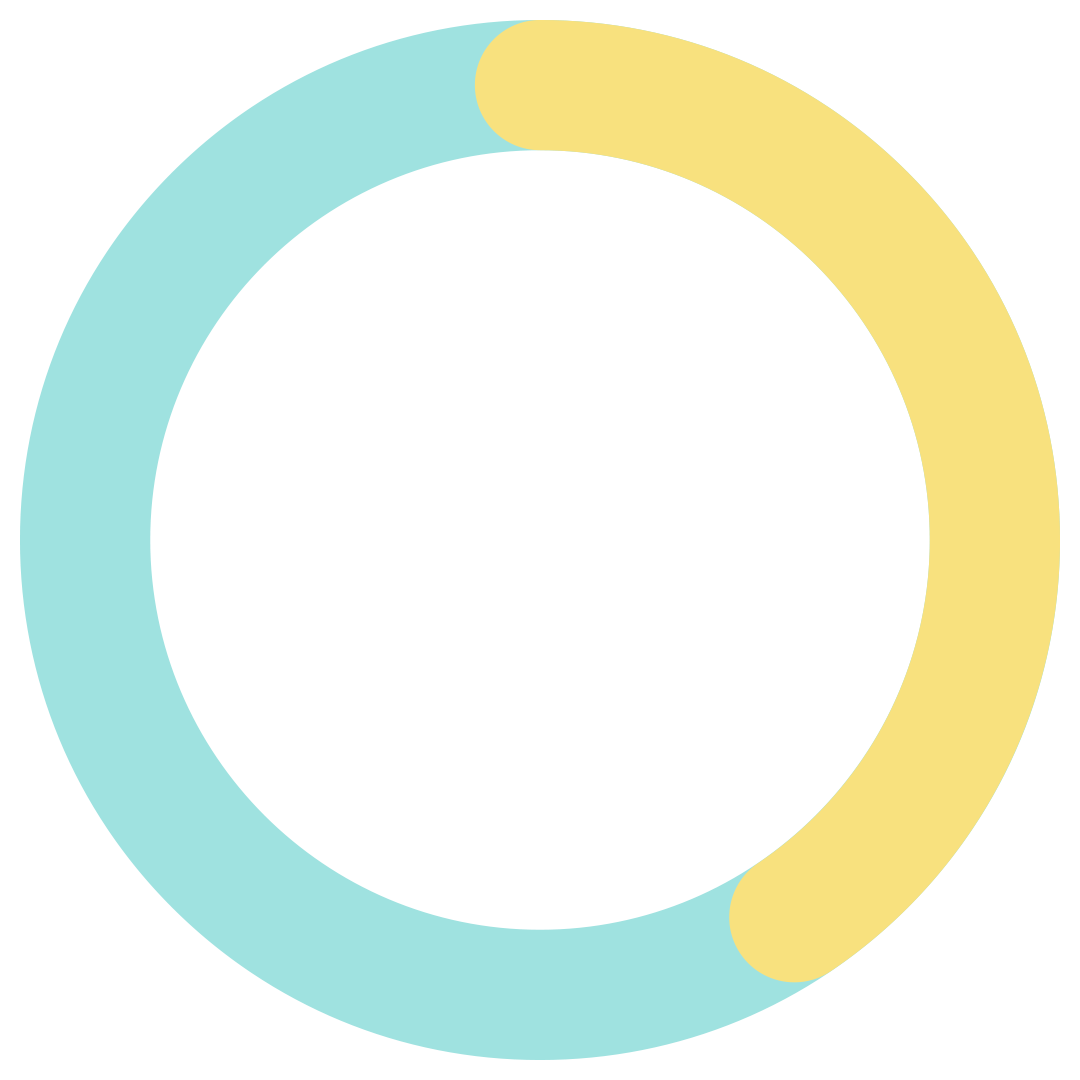
Percentage of surveyed employers stated that educational institutions do not sufficiently prepare students for careers in their fields, with 7% indicating that entry-level talent is “not at all prepared.”
Employer investment in training:

Percentage of employers reported that entry-level talent requires additional training to succeed, highlighting the importance of aligning educational outcomes with industry requirements.
Need for school partnerships:
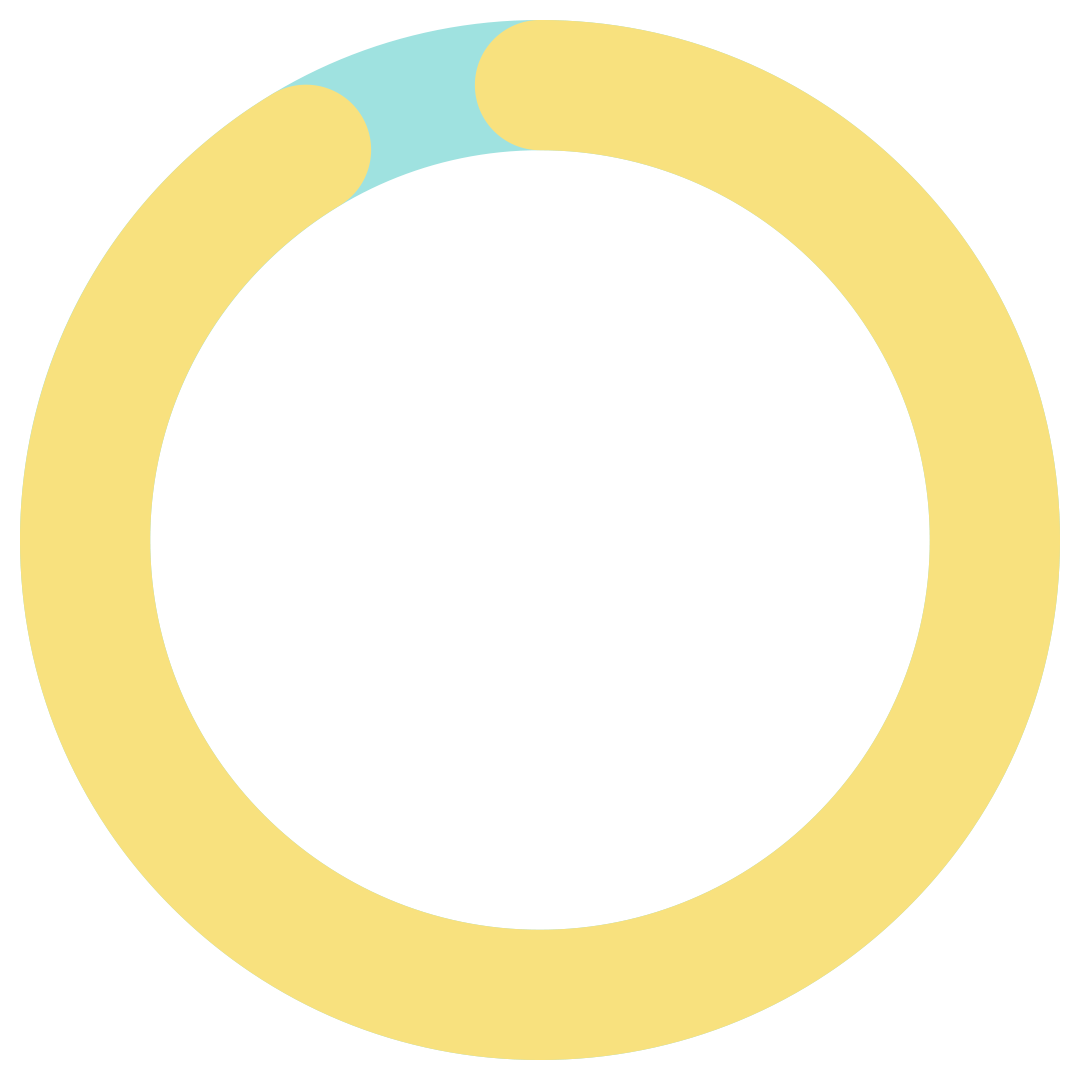
Percentage of employers emphasized that stronger partnerships with K-12 schools and postsecondary institutions would bolster their long-term talent pipelines.
Shift toward skills-based hiring:
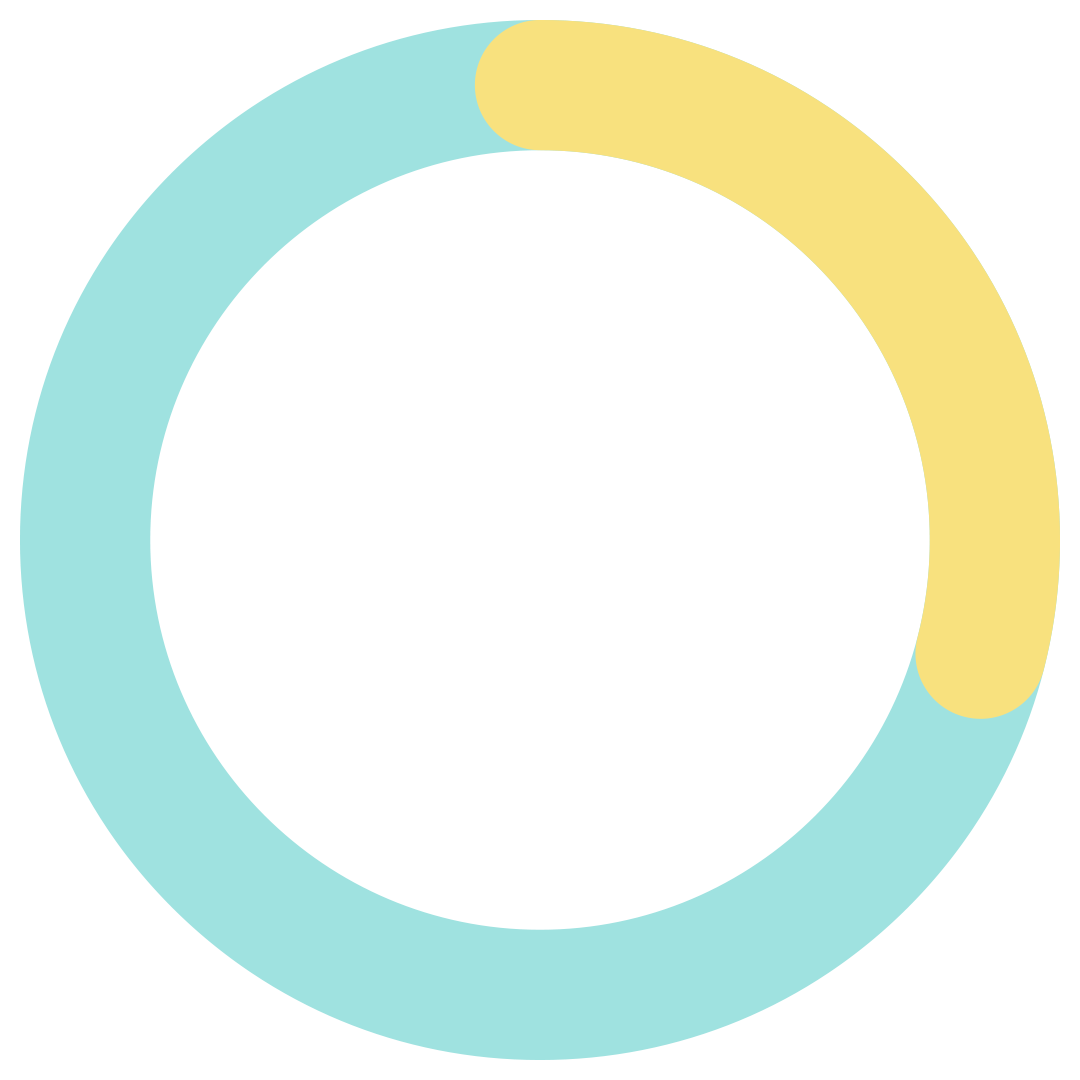
Percentage of employers place more importance on on-the-job experience than academic credentials, and 58% value academic background and practical experience equally.
Early engagement matters:

Percentage of employers reported engaging with students during high school, while merely 6% connected during middle school, underscoring the need for earlier outreach to develop robust career pathways.
The U.S. labor force is changing dramatically. While previous generations had a predictable path to prosperity, the course isn’t as clear for the rising generation.
Factors like an aging workforce, a lack of affordable childcare, and other challenges have removed many Americans from the workforce. As a result, the talent shortage is widening: There are currently 8.2 million job openings in the U.S., but only 7.2 million unemployed workers, and there are just 93 workers for every 100 job openings.
A staggering 40% of business owners have job openings they can’t fill. The gap between worker demand and labor supply has reached a 20-year high—and the problem will only worsen as the workforce ages.
Established talent pipeline methods—like online job listings, college recruiting, and internal promotions—are also proving less effective. In this state of rapid change, traditional hiring practices are no longer enough to meet current and future workforce demands. Instead, businesses must look to new and innovative strategies to attract qualified talent and maintain a competitive edge.
In this state of rapid change, traditional hiring practices are no longer enough to meet current and future workforce demands. Instead, businesses must look to new and innovative strategies to attract qualified talent and maintain a competitive edge. They must engage talent earlier than ever before and build industry awareness in order to create effective talent pipelines.

Assessing employer hiring needs
and student workforce readiness
To address the hiring challenges impacting industries across the U.S., YouScience® surveyed 500 HR professionals and business leaders across high-demand sectors, including construction, healthcare, manufacturing, and finance.
The study assessed employer perceptions related to hiring needs, student readiness for the workforce, talent acquisition strategies, and more. It also sought to understand employers’ hiring preferences for educational qualifications vs. practical, on-the-job training. The 2024 Workforce Report: Fixing America’s Broken Talent Pipeline provides data that serves as the foundation for a broader discussion about the future of workforce development, especially regarding building sustainable, long-term talent pipelines.

Businesses across all industries are struggling to find qualified workers
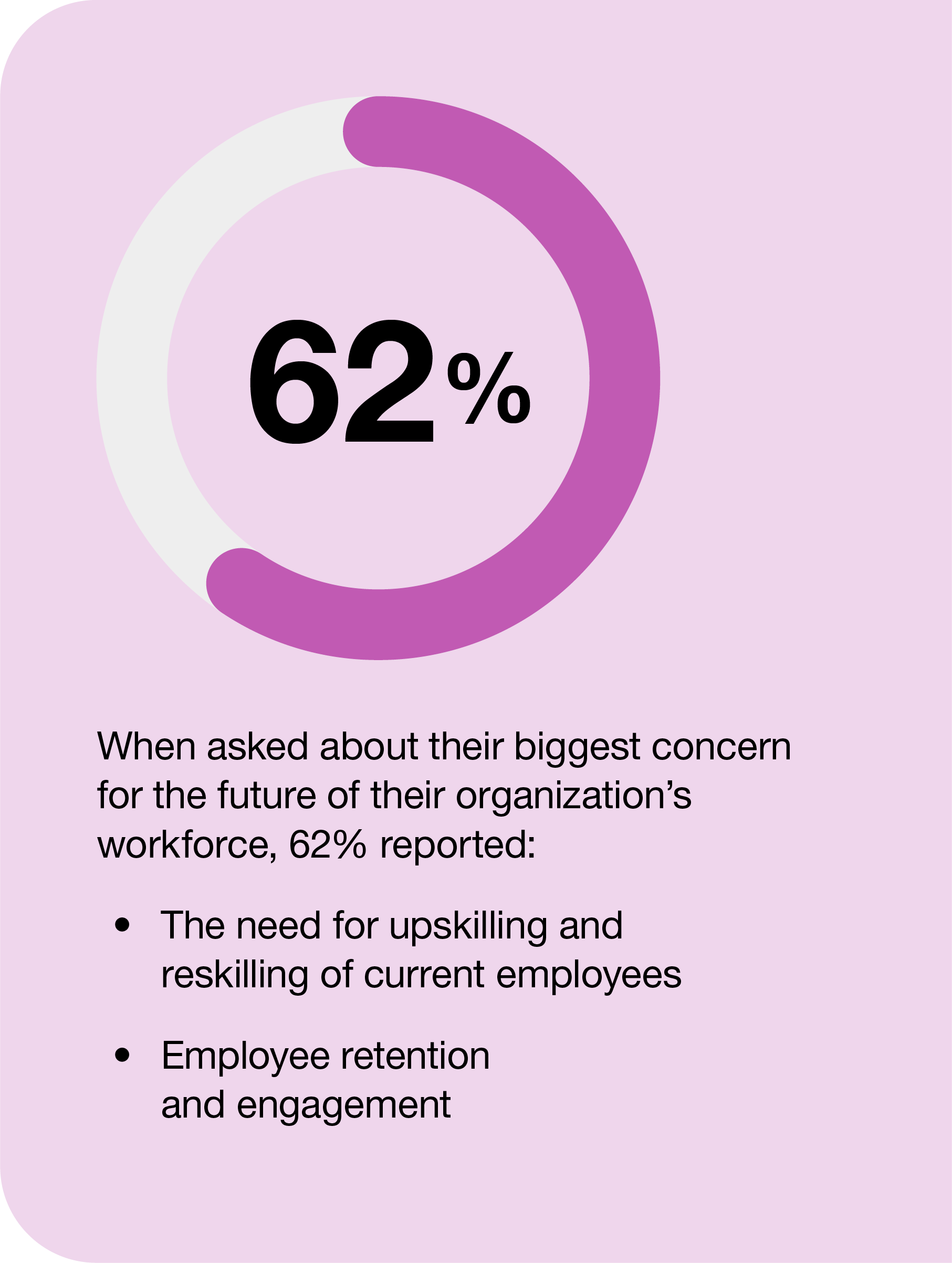
Employers across industries are struggling to recruit qualified candidates. When asked about their biggest concern regarding the future of their workforce, nearly 38% of employers said either difficulty in finding candidates with the right skills or insufficient alignment between educational outcomes and industry needs. Additionally, 86% said entry-level talent requires extra training to be successful.
Respondents also noted numerous challenges in finding the right talent to meet business needs, including:
- Outdated public perception of their industry and careers
- Access to qualified talent
- Budgetary constraints
- Wages, salaries, benefits in their industry
Greater alignment between schools and industries helps change perceptions, helps individuals identify careers where they will thrive earlier, better prepares people for the rigors of certain types of work, and increases skill-readiness for entry-level careers.

“At World Trade Center Utah, we understand the challenges businesses face, particularly workforce issues in junior positions. While entry-level hires bring energy and potential, we’re finding that they often lack the hands-on skills needed to start contributing right away. In the mining sector, as an example, where precision and safety are paramount, extra training has become essential to bring new talent up to our standard and ensure they’re fully prepared to thrive in their roles”
Jared Anderson
Sr. Director, Global Business Services, World Trade Center Utah
Employers want stronger school ties and skills-based hiring

Results from the survey found that 90% of employers say stronger partnerships with K-12 schools and postsecondary institutions would improve their long-term talent pipelines.

Employers also see a need for a new, modern approach, with 78% of survey respondents emphasizing the importance of work-based learning and industry certifications in preparing new talent.
Likewise, 31% of employers said on-the-job experience is more important than academic credentials. Supporting the shift from degree-based to skills-based hiring, 58% of respondents reported that educational background and practical experience are equally important.
In fact, employers in finance and insurance, healthcare, and social assistance all chose practical, hands-on work experience as the most effective way to prepare students for work in their respective fields. Notably, 50% of employers in manufacturing and 63% in construction also reported improved soft skills training—like communication skills—as the most effective solution to better prepare students.
“Industry-recognized certifications help students to be career ready. Students understand why they are learning and are prepared for the real world. Industry-recognized certifications can help students get jobs, paid internships while in school and have more opportunities after high school. Stackable credentials on your transcript shows student achievement beyond a high school diploma. These test measure skills employers are looking for.”
Melissa Fulmore
Computer Science Instructor, Darlington County Institute of Technology, South Carolina
Employers recognize the need for greater collaboration with schools. However, they also have concerns about how educational institutions prepare students for the workforce.
Nearly 40% of respondents said schools aren’t sufficiently preparing students for careers in their industry. In fact, 7% said entry-level talent are ‘not at all prepared.’ Additionally, 37% indicated that the preparedness of entry-level talent in their industry has either not improved or declined in the past five years.
Most students agree that schools aren’t doing enough to prepare them for the workforce. Other YouScience data reveals that 75% of high school graduates feel underprepared for life and work after graduation.
To ensure that our education preparation meets the needs of our current and future workforce, legislators, employers, and educators must proactively come together to ensure that proper resourcing is provided, outdated administrative restrictions are rethought, and systems are implemented that encourage education and industry collaboration.
Today, most schools measure workforce readiness the way they measure academic success—by grades, test scores, and the availability of AP classes. However, the rapidly changing career landscape calls for a new approach that focuses more on work skills and projects. This shift presents a challenge for most schools, requiring dedicated tools and resources to align educational outcomes with industry needs.
The findings indicate employers care about hard skills (industry-specific technical skills) and soft skills (like teamwork and problem-solving). Almost half, 47%, of employers say both types of skills are equally important. Meanwhile, 31% believe soft skills are more important, and 22% believe hard skills are more important.
Clearly, students who arrive in the workplace with both types of skills will be the most hirable.
Employers identified ways educational institutions can better prepare students for the workforce, including:
- Hands-on experience
- Improved soft skills training (communication, professionalism, work ethic, etc.)
- Greater focus on industry-specific skills
- Better alignment between skills and market needs
- Personalized career counseling and guidance based on aptitudes

Manufacturing companies were an outlier, with 47% more respondents wanting to prioritize internships or apprenticeship opportunities and 63% of respondents choosing soft skills as more important than hard skills for entry-level talent to succeed in their industry.
Manufacturing and construction companies also stand out in their approach to solving talent shortages: Both industries said the top two most common strategies are expanding on-the-job training programs and partnering with educational institutions for tailored curriculum development.
“Investing in soft skills training, like effective communication, has noticeably improved workforce readiness. We see how these skills equip students to better collaborate and adapt to our industry’s demands, strengthening our community and talent pipeline.”
Amy Donahoe
Director of Workforce Development, Greater Springfield Partnership, Ohio
Today’s talent pipeline solutions don’t fit the future of work
What steps is your organization currently taking to address talent shortages in your industry?

Expanding on-the-job training programs

Offering flexible work options to attract a broader talent pool

Partnering with schools for tailored curriculum development

Upskilling or reskilling current employees

Increasing investment in employee retention programs

Increasing wages or benefits to attract top talent

Recruiting from non-traditional talent pools

Enhancing branding and recruitment marketing efforts
“Industry-recognized certifications allow our students to be competitive in the workforce and more successful.”
Karen Edwards
Health Science Teacher and HOSA FHP Advisor, Chapin High School, South Carolina
More than 60% of employers said they were not very confident that their current talent pipeline solutions would meet their workforce needs in the next 5–10 years. That concern is rapidly increasing in some of the country’s most in-demand industries.
In the education sector, 36% of employers reported feeling ‘somewhat unconfident’ or ‘very unconfident’ that current talent pipeline solutions will meet their workforce needs over the next 5–10 years. This is especially concerning given the rising teacher turnover rates across the country, highlighting the urgency to address the talent pipeline issue in education.
Employers with fewer than 500 employees expressed lower confidence in their talent pipeline solutions. There are many small businesses in America, and their numbers continue to grow. For the economy to thrive, these businesses need stable and reliable talent pipelines. In contrast, businesses with 501–1,000 employees were more likely to report being confident.
Conversely, employers in construction reported being ‘very confident’ that their current talent pipeline solutions will meet their workforce needs in the next 5–10 years despite being an industry with one of the highest turnover rates.
Industries have different needs when it comes to hiring, and there are many variables at play. But one overarching theme is constant: the talent pipeline for all businesses needs improvement. Even industries currently confident in their talent pools could benefit from strengthening their pipeline, as high turnover rates and an evolving workforce suggest challenges ahead.
Percentage of survey respondents based on company size
|
12.4% |
51–200 employees |
|
14.8% |
201–500 employees |
|
29.5% |
501–1,000 employees |
|
23.2% |
1,001–5,000 employees |
|
20.0% |
More than 5,000 employees |
Solving talent shortages starts with early student engagement and practical experience
The solution to this emerging talent pipeline crisis requires a significant strategy shift in when and how businesses engage with potential candidates. Most companies wait far too long to build relationships—and even if they do offer opportunities for early connection, students don’t know about them.
The majority of employers, 63%, are waiting to engage with students upon high school graduation, during postsecondary, or upon postsecondary graduation. Just 23% reported connecting with students in high school, and only 6% reported engaging with students in middle school.
While middle school may seem early, studies show that middle school is the best time to start career exploration. Students exposed to career exploration in high school were also statistically more confident in their ability to make informed career decisions. The earlier businesses can connect with students and show them how their skills align with their careers, the more likely those students will pursue internships, certifications, and careers in that field.
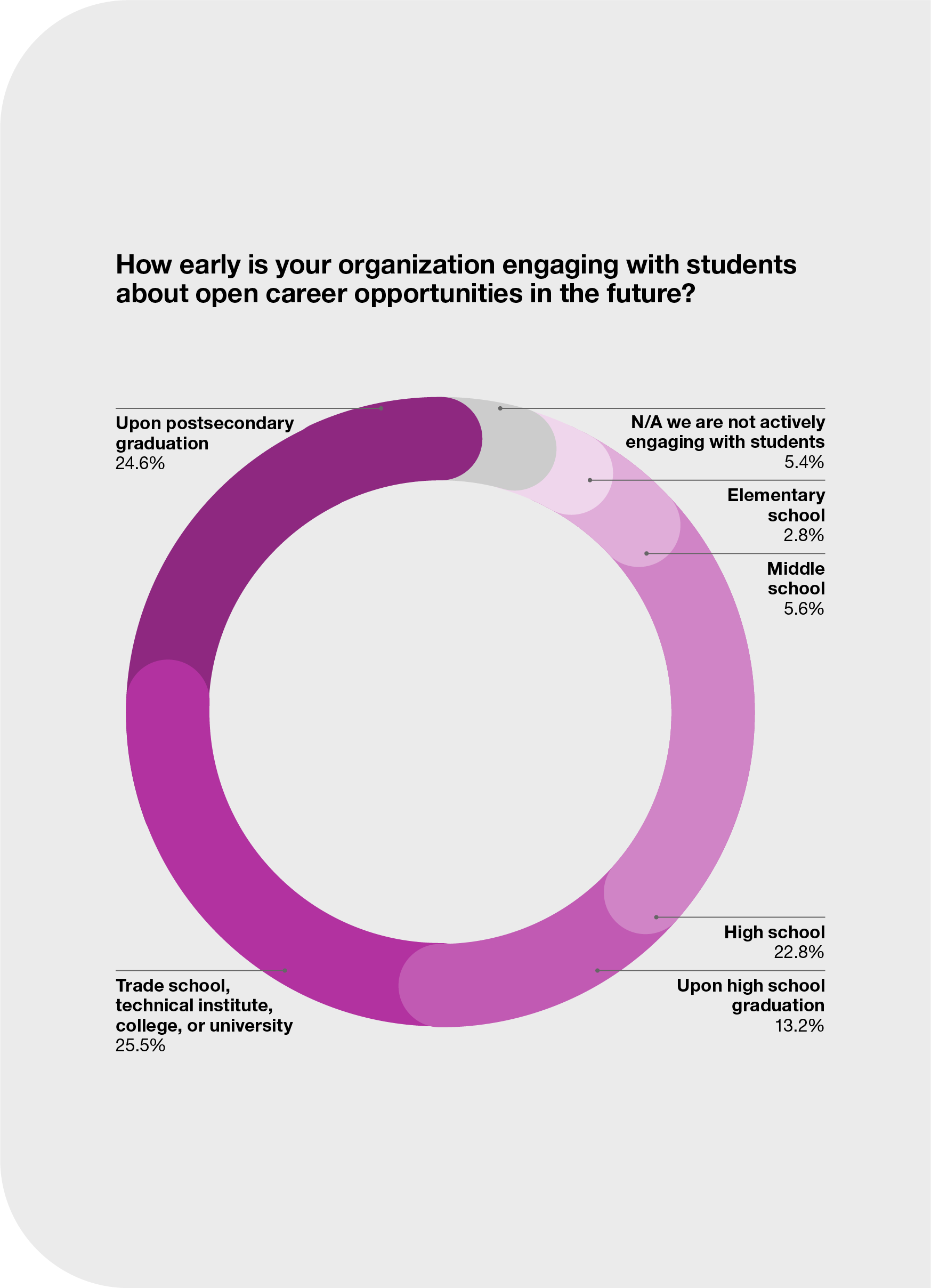
Engaging students early can enhance recruitment efforts and develop sustainable talent pipelines, which is especially crucial in fields facing talent shortages, such as manufacturing, healthcare, and information technology.
To address talent shortages in their industries, nearly half of all employers surveyed, 42%, reported considering recruiting from non-traditional talent pools, including apprenticeships, vocational schools, and trade schools. These alternative pathways are largely fueled through career and technical education (CTE) programs, which provide hands-on experiences in various industries and equip students with practical skills, preparing them for careers across a wide variety of industries.
However, those efforts are only successful if students know these opportunities are available. For example, the 2023 YouScience Post-Graduation Readiness Report found that 30% of students from the classes 2020–23 were unaware of CTE programs in their schools.
“As the demand for skilled talent grows and the traditional talent pipeline shows signs of strain, we must engage with students earlier, provide hands-on experience, and emphasize both technical and soft skills. By fostering deeper partnerships between schools and businesses, we can ensure that the next generation of workers is not only ready to step into their roles but equipped to thrive and innovate.”
Mindy Bates
Human Resources Director, Ace Electric
To address current and future talent pipeline challenges, employers need to engage with students earlier and more consistently while also promoting programs that emphasize practical, hands-on learning experiences.
When asked what would help build stronger relationships to facilitate these solutions, employers identified several strategies as the most impactful, including:
- Regular communication channels with school representatives or career counselors
- Establishing internship or apprenticeship programs with local schools
- Access to talent pipelines and early-stage talent information
- Networking events that connect HR professionals with educators
- Collaborating on curriculum development to align with industry needs

Industry leaders are starting to make these changes. In fact, 76% of survey respondents said they are currently working with outside organizations to build sustainable talent pipelines.
The key to building a robust talent pipeline

Building a talent pipeline is currently a top priority for 48% of businesses. While there is a significant workforce shortage in the U.S., YouScience research shows students have aptitudes for in-demand roles but are unaware of open opportunities.
A robust system is vital for businesses to identify, nurture, recruit, and engage untapped and overlooked talent. With YouScience® Brightpath for Workforce, businesses can help put students on a pathway to in-demand careers. Brightpath enables professionals to develop relationships with students earlier, address labor shortages, and create long-term talent pipelines built for the future of work.
When schools and businesses collaborate to provide career education and job training opportunities early in student development, everyone wins.
Employers build impactful relationships with students, allowing them to identify and nurture promising talent before they enter the job market. Students gain practical experience that complements academic learning and prepares them for future careers with specific companies or industries.